
Recipe · Weeknight · Serves 2
It's Okay — You Can Make Budae-jjigae Tonight
Budae-jjigae ("army base stew") is already half foreign — it started with American spam, hot dogs, and baked beans stretched into a Korean stew. So if your pantry looks more "Western" than "Korean" right now, you're actually closer to the original than you think.
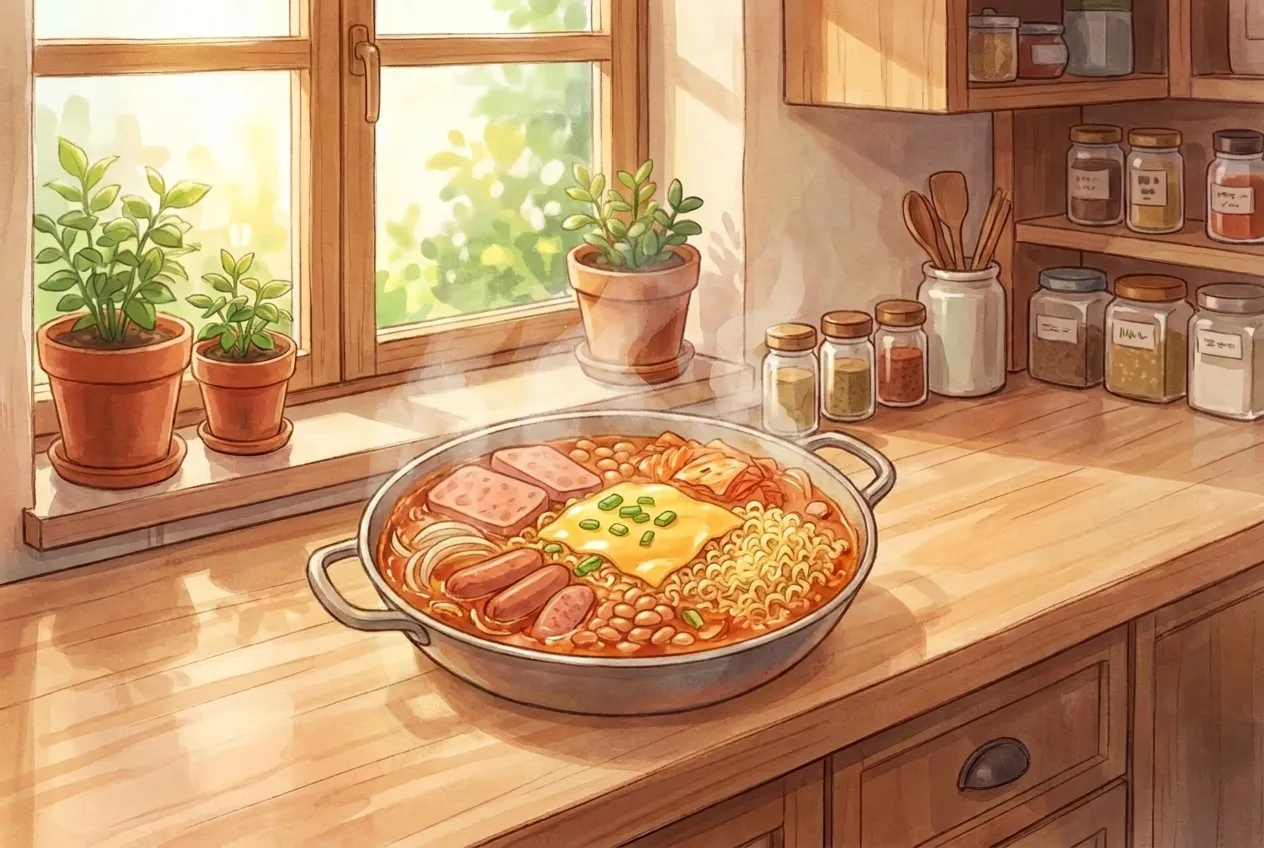
Before You Shop: Quick Ingredient Check
- Spam / luncheon meateasy anywhere
- Hot dogs or sausageseasy anywhere
- Baked beans (small can)easy anywhere
- Instant ramen noodleseasy anywhere
- Kimchinice to have — see note below
- Gochujang (Korean chili paste)substitute below
- Rice cakes (tteok)optional — see below
- American cheese sliceeasy anywhere (yes, really — it belongs here)
Nothing here is a dealbreaker. Let's cook.
Ingredients (serves 2)
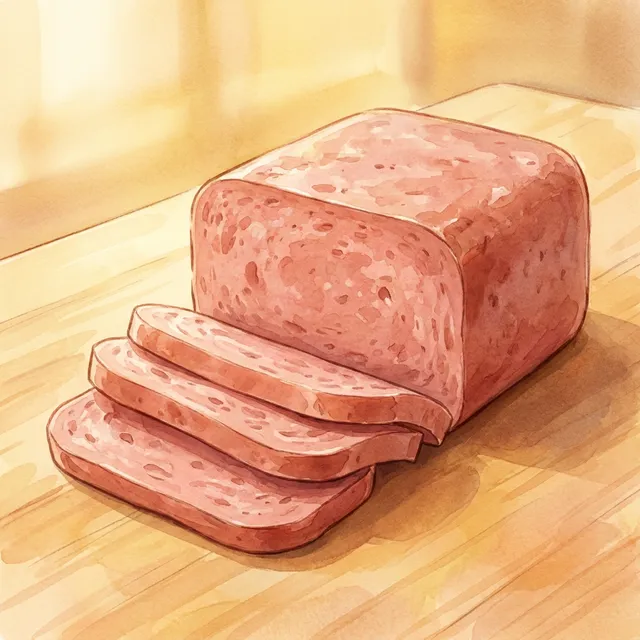 150g (about 5oz) spam or luncheon meat, sliced
 - 2 hot dogs, sliced diagonally
- 1/2 cup baked beans
- 1/2 onion, sliced
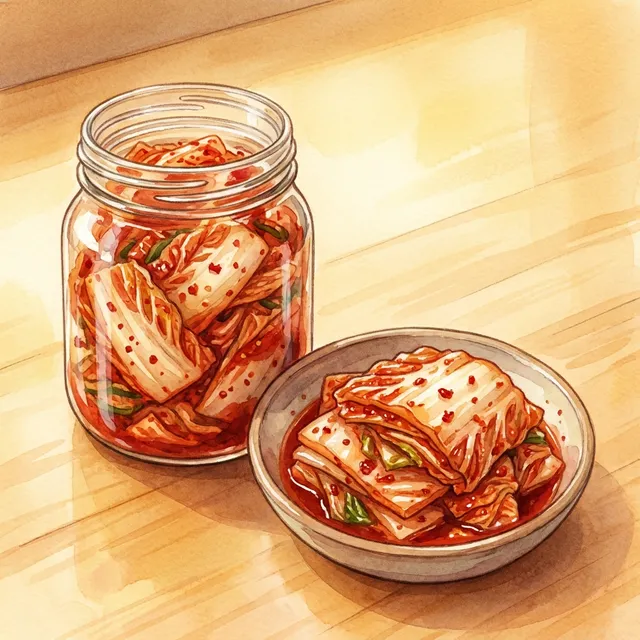 1 cup (about 150g) kimchi, roughly chopped (if you have it)
 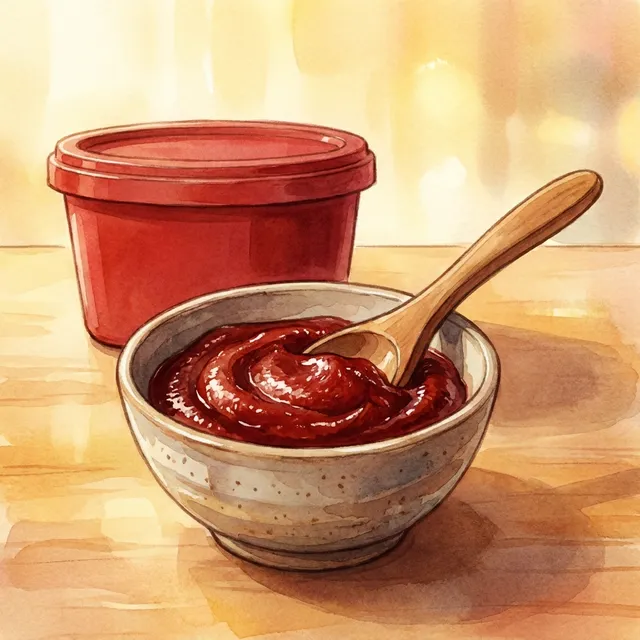 2 tbsp (30ml) gochujang
 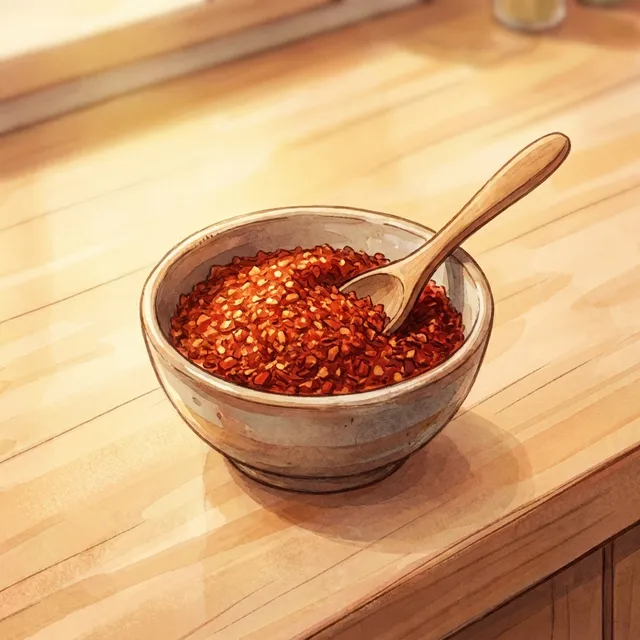 1 tbsp gochugaru (Korean chili flakes, optional, for heat)
 - 2 cloves garlic, minced
- 500ml (about 2 cups) water or broth
- 1 pack instant ramen noodles (uncooked, added at the end)
- 1 slice American cheese
 Green onion, chopped, to finishBuy on Amazon
Steps
- 1 Arrange spam, hot dogs, onion, kimchi, and baked beans in a wide, shallow pot.

- 2 Mix gochujang, gochugaru, and garlic with the water into a broth, then pour it over everything in the pot.

- 3 Bring to a boil over medium-high heat, uncovered, for about 8–10 minutes, until the broth reduces slightly.

- 4 Add the uncooked ramen noodles and simmer for 3–4 minutes, until just tender.

- 5 Lay the cheese slice on top so it melts into the broth. Scatter green onion over the top and serve straight from the pot.

Substitution Guide
About the Gochujang — Here's What to Do
Gochujang (고추장) is the one ingredient here that actually can't be swapped 1:1 for something you already have — but it's easy to approximate, and you're allowed to.
Use this if you can't find gochujang
1 tbsp sriracha (or another chili-garlic sauce) + 1 tsp brown sugar + 1 tsp ketchup or tomato paste, mixed together. This isn't identical, but it recreates the three things gochujang brings to this dish: heat, sweetness, and a slightly thick, savory body.
If you can get to an Asian grocery store eventually
It's worth picking up a tub of real gochujang — it keeps in the fridge for months and unlocks a lot of other Korean dishes at once.
Why this combination works (so you can use it elsewhere too)
Gochujang's job in Korean cooking is almost always the same three things — spice, a little sweetness, and a sticky, broth-thickening texture. Sriracha covers the spice, brown sugar covers the sweetness, and ketchup or tomato paste covers the thickness and a bit of umami. Once you know that's the role it plays, you can reach for this same combination anytime a Korean recipe calls for gochujang and you don't have any.
A Couple More Notes
About the Rice Cakes (Optional)
Some versions of budae-jjigae include sliced rice cakes (떡, tteok) for extra chewiness. Skip them without a second thought — they're a textural add-in, not a core part of the dish. If you want something with a similar chewy bite, thick-cut potato or extra ramen noodles both work fine as a stand-in, but honestly, the stew is complete without any of them.
About the Kimchi
No kimchi on hand? The stew will lean a bit more "American stew" and less "Korean stew" in flavor, but it will still work — the gochujang broth carries most of the savory-spicy character on its own. If you want to approximate kimchi's tang, a small splash of rice vinegar or a few slices of pickled jalapeño added near the end gets you part of the way there.
Want to Go Further?
This one uses more pantry staples than almost any Korean dish out there — which makes it a great second recipe once you've got the basics down. Ready to stock a real gochujang and open up dozens more dishes?
Getting Started with Korean Cooking: The 3 Sauces You Need →Watch It Made

Cooks' versions
Made it your way? Show us.
Swapped an ingredient, changed the heat, plated it differently? Add a photo and a few words — we'll turn it into a pretty card right here on the Budae-jjigae page, so the next cook can follow your lead.
Made this with a different substitute that worked well? Let us know in the comments — it helps the next person who gets stuck on this step.