
Recipe · Weeknight · Serves 2
It's Okay — You Can Make Bibimbap Tonight
Bibimbap (비빔밥) literally means "mixed rice," and that's the whole trick — rice topped with a few separately seasoned vegetables, a protein, an egg, and gochujang, all stirred together right before eating. You don't need a hot stone bowl, and you don't need every vegetable a restaurant version has. If you're missing one of the toppings below, that's fine — keep reading.
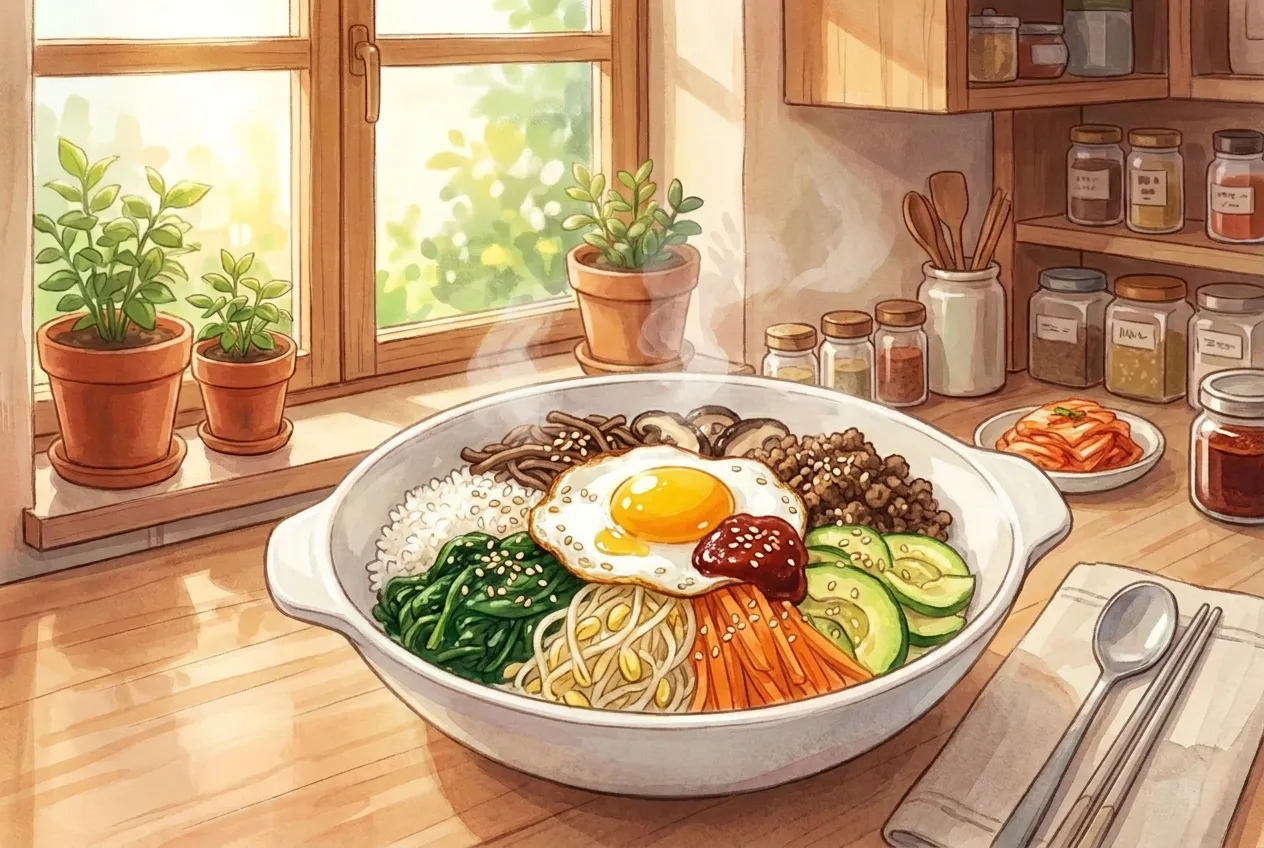
Before You Shop: Quick Ingredient Check
- Riceyou already have this, or it's 20 minutes away
- Ground beef or thinly sliced beef (optional)easy anywhere
- Spinach, carrot, zucchini, mushroomseasy anywhere — the everyday vegetables
- Bean sproutseasy anywhere (mung bean sprouts work fine)
- Gosari (dried bracken fern)the traditional one you'll likely skip — see below
- Eggeasy everywhere
- Gochujangsee our sauce guide if you don't have it yet
Nothing here is a dealbreaker. Let's cook.
Ingredients (serves 2)
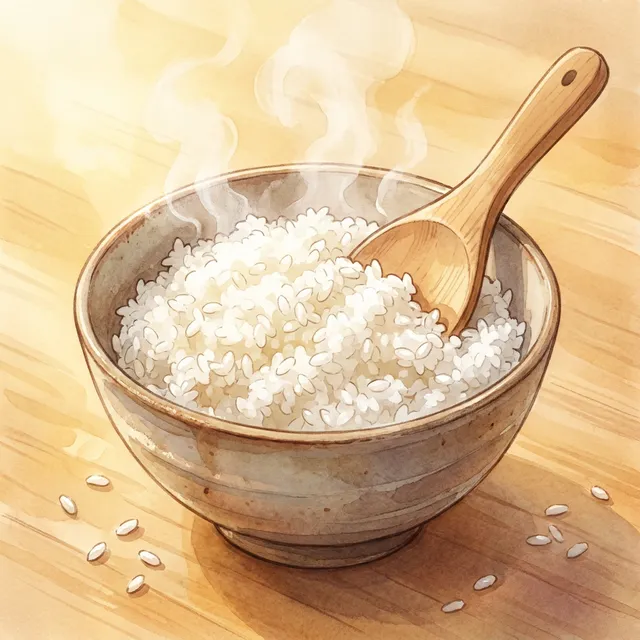 2 cups (about 370g) cooked rice
 - 200g (about 7oz) ground beef or thinly sliced beef (optional — omit for a vegetarian bowl)
 1 tsp soy sauce (for the beef)
  1 tsp sesame oil (for the beef)
 - 1 clove garlic (minced) (for the beef)
- 1 cup spinach, blanched
- 1 carrot, julienned
- 1 zucchini, julienned
- 1 cup mushrooms, sliced
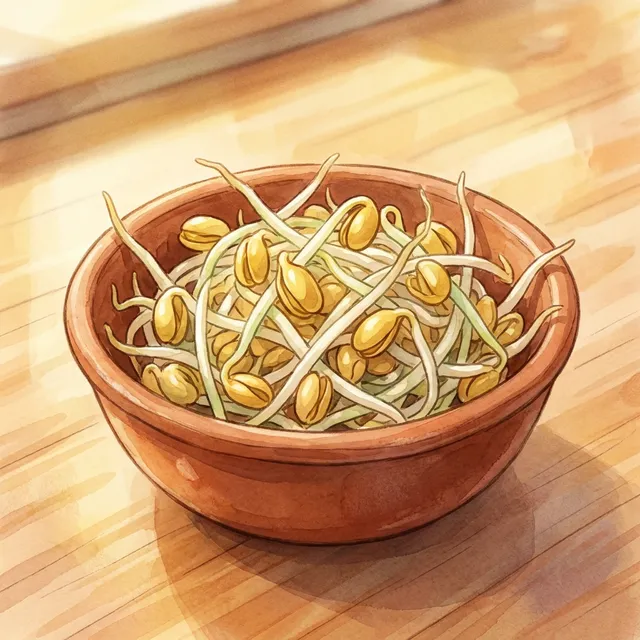 1 cup bean sprouts, blanched
 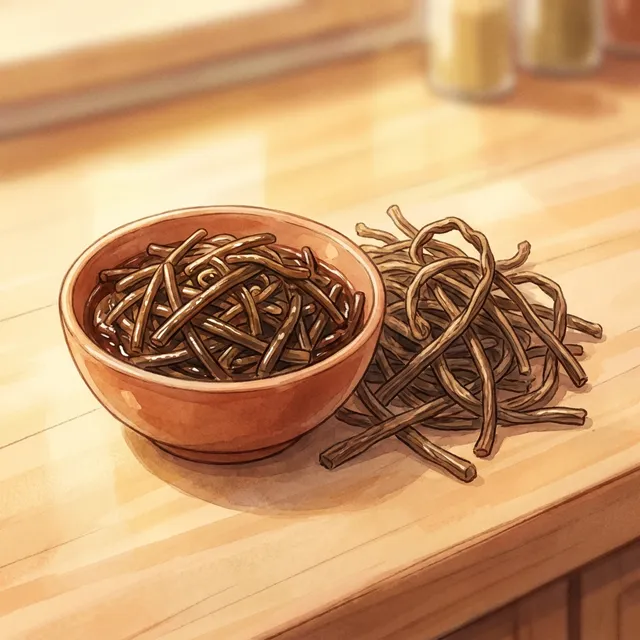 1/2 cup gosari (dried bracken fern), soaked and cooked (optional, traditional)
 - 1 egg per person, for frying
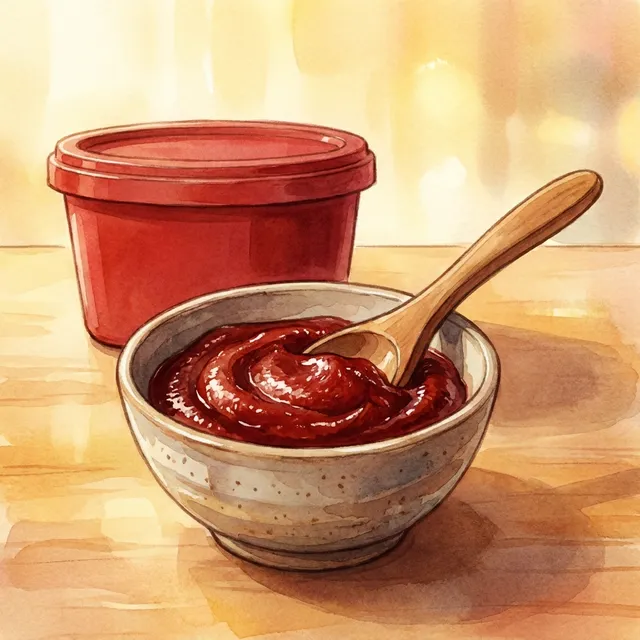 2 tbsp (30ml) gochujang, to serve
 - Sesame oil and sesame seeds, to finish
Steps
- 1 Cook the rice if you haven't already. Blanch the spinach and bean sprouts separately for about 30 seconds each, then toss each with a pinch of salt, a drop of sesame oil, and a little minced garlic.

- 2 Sauté the carrot, zucchini, and mushrooms separately in a lightly oiled pan, each with a pinch of salt, until just tender. Set each vegetable aside in its own small pile.

- 3 In the same pan, cook the beef with the soy sauce, sesame oil, and garlic until browned and cooked through.

- 4 Arrange the rice in a bowl, then arrange the beef and each vegetable in its own section on top. Fry an egg sunny-side up and place it in the center.

- 5 Add a spoonful of gochujang and a drizzle of sesame oil, then mix everything together thoroughly right before eating.

국룰Bibim (비빔) means "mixed" — the whole point is stirring everything into one bowl before the first bite, not eating each topping separately.
Substitution Guide
About the Gosari — Here's What to Do
Gosari (고사리, dried bracken fern) is the one topping here you're least likely to find outside a Korean grocery store — and the good news is, it's also the easiest one to just skip.
Use this if you can't find gosari
Just leave it out and add a bit more of a vegetable you do have — extra spinach or mushrooms fills the gap fine. If you want a similar earthy, slightly chewy texture, sautéed green beans or asparagus with sesame oil and garlic gets you close, though the specific fern flavor is genuinely its own thing.
If you can get to a Korean grocery store eventually
Dried gosari keeps for a long time unsoaked in the pantry, so it's worth grabbing once — it shows up in a few other traditional side dishes beyond bibimbap too.
Why bibimbap survives without it (so you can build your own version)
Bibimbap's real structure is rice + a protein + a handful of separately seasoned vegetables + an egg + gochujang — no single vegetable is load-bearing. It's closer to a category than a fixed recipe. Once you know the seasoning throughline (a pinch of salt, a little sesame oil, a bit of garlic, one vegetable at a time), you can build a version of this dish out of whatever happens to be in your fridge.
Want to Go Further?
This bowl leans on gochujang the same way most Korean dishes do. Once you've got a real jar in the fridge, mixing up your own bibimbap combination gets even easier.
Getting Started with Korean Cooking: The 3 Sauces You Need →Watch It Made

Cooks' versions
Made it your way? Show us.
Swapped an ingredient, changed the heat, plated it differently? Add a photo and a few words — we'll turn it into a pretty card right here on the Bibimbap page, so the next cook can follow your lead.
Made this with a different vegetable combination that worked well? Let us know in the comments — it helps the next person who gets stuck on this step.